❤️ Why This Conversation Matters
In an era of smart ovens and precision cookers, it's easy to assume that older tools are obsolete. But many traditional kitchen tools solve real problems that technology hasn't fully replaced.
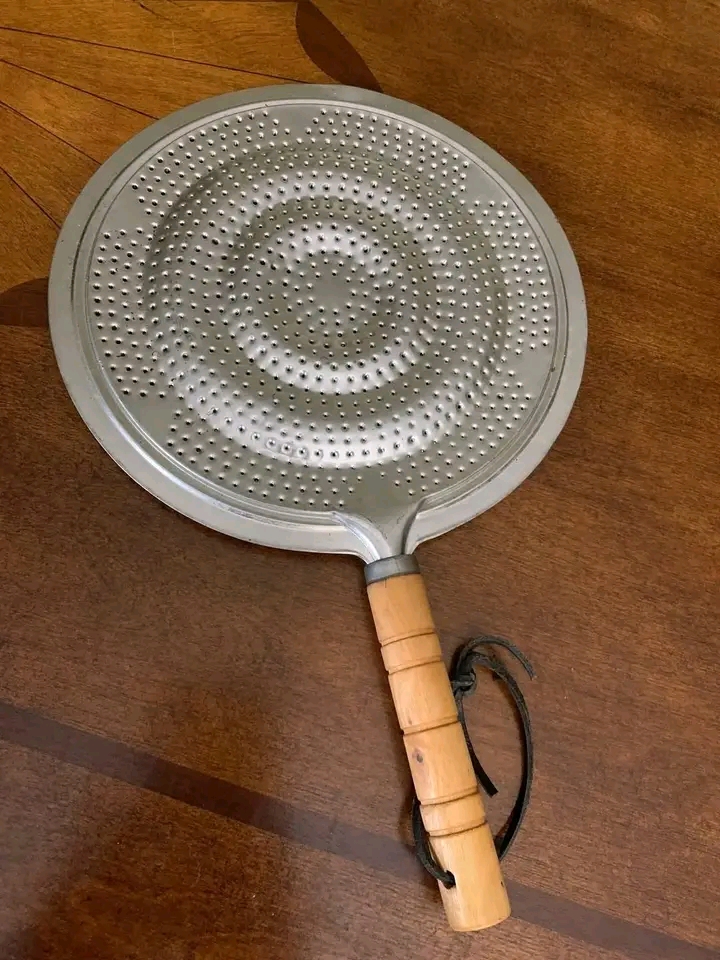
Understanding how a simmer ring works helps you:
Prevent scorching and burning in delicate dishes
Achieve consistent results without constant stirring
Cook with more control on powerful gas burners
Connect with time-tested techniques that honor ingredient integrity
Practical Benefits: When a Simmer Ring Makes a Difference
✅ Ideal Use Cases
Scenario
Why a Simmer Ring Helps
Making hollandaise or custard
Gentle, even heat prevents eggs from curdling
Melting chocolate
Prevents seizing or burning; allows precise temperature control
Simmering tomato sauce or curry
Maintains gentle bubble without reducing too quickly or sticking
Cooking rice or grains
Even bottom heat prevents scorching; promotes even absorption
Warming tortillas or flatbreads
Gentle radiant heat warms without drying or charring
Keeping dishes warm
Holds food at serving temperature without overcooking
Using small pots on large burners
Adapts flame size to cookware, improving efficiency and safety
When It's Not Necessary
Scenario
Better Approach
High-heat searing or stir-frying
Direct flame provides necessary intensity
Boiling water or pasta
Full burner heat is efficient and appropriate
Induction cooktops
Most simmer rings don't work; use induction-compatible diffusers if needed
Electric smooth-top ranges
Heat distribution is already even; diffuser may reduce efficiency