• Persistent Fatigue: When kidney function drops, toxins build up in the blood, making you feel tired, weak, or unable to concentrate.
• Swelling (Edema): Decreased kidney function leads to sodium retention, causing swelling in the feet, ankles, or hands. Persistent puffiness around the eyes can also be a sign.
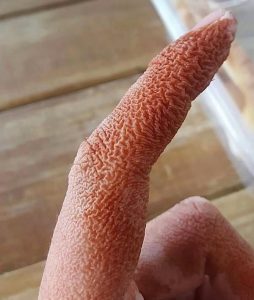
• Dry and Itchy Skin: This can occur when the kidneys are no longer able to maintain the correct balance of minerals and nutrients in your blood.
• Muscle Cramping: Imbalances in calcium and phosphorus levels resulting from poor kidney function can lead to frequent cramping.
2. How to Protect Your Kidneys
Preventative lifestyle choices are the most effective way to reduce the workload on these organs.
• Manage Blood Pressure & Blood Sugar: High blood pressure and diabetes are the leading causes of kidney failure. Keeping these numbers within a healthy range is the single most important step you can take.
• Hydrate Intelligently: While staying hydrated helps the kidneys clear sodium and toxins, avoid over-hydration. Aim for consistent water intake throughout the day rather than "flooding" your system.
• Monitor Salt Intake: High sodium levels increase blood pressure and strain the kidney's filtration units (nephrons). Aim for less than 2,300 mg of sodium per day.
• Be Cautious with NSAIDs: Over-the-counter pain medications like ibuprofen and naproxen can cause kidney damage if taken regularly over a long period.
• Limit Processed Foods: Many processed snacks and canned goods are high in phosphorus additives and sodium, both of which are taxing on the kidneys.
Important Note: If you have a family history of kidney issues or high blood pressure, request a "kidney profile" during your annual physical. Early intervention can often stop or significantly slow the progression of the disease.