

The body learns through repetition. Every time you urinate while the water is running, your nervous system logs the link between the sound and the act. After weeks or months of this pattern, the brain may start treating the sound of running water as a cue that it’s time to go. You might notice the urge arising when opening the kitchen faucet, standing at the sink to wash dishes, or even hearing rain on the roof. This is not a dramatic overnight change; it is built slowly, the same way any repetitive behavior becomes automatic.
Pelvic health experts note that this conditioned response is especially noticeable in people who already experience stronger or more frequent urges. Warm water itself can relax the bladder muscles, making it easier to urinate in that moment, but that same relaxation can reinforce the habit loop. What many don’t realize is that this signal does not stay inside the shower; it travels with you to other parts of the day. The result is usually not an emergency, yet it can undermine the calm and predictable rhythm most people prefer for their bathroom habits.
The interesting part is that the brain can also "unlearn" this link. When you consistently decouple the sound of water from the act of urinating, the automatic urge tends to fade. Many report that within a few weeks of changing the routine, the sudden triggers become much less intense. The process is gentle and does not require special equipment or strict rules; it just requires a bit of awareness in the beginning.
#### Why Standing Changes How the Body Fully Empties the Bladder
The pelvic floor acts as a "hammock" supporting the bladder and adjacent structures. When sitting on the toilet with feet flat on the floor and knees apart, gravity and relaxation work together. The muscles can relax more fully, allowing the bladder to empty without extra effort. Standing removes some of this natural assistance; the pelvic floor remains slightly contracted to maintain balance and posture, making complete relaxation more difficult.
Physical therapists often note that this difference matters more for women due to the shorter urethra and the way the pelvic floor is positioned. Men can also benefit from sitting, even though standing feels more natural to them. The key point is not about right or wrong positions in every case, but about giving your body the best chance to finish what it started. When you don't empty the bladder completely, the remaining fluid can create a faster return of the urge or a vague feeling of pressure. Over months and years, this pattern can become more pronounced, especially when combined with the brain signal we discussed earlier.
**(Comparison between Standing in the Shower and Sitting on the Toilet)**
* **Standing in the Shower:** Partial relaxation of the pelvic floor, often incomplete emptying, may involve slight strain, reinforces the habit of association with the sound of water.
* **Sitting on the Toilet:** More complete relaxation, higher chance of full emptying, minimal effort, helps decouple the trigger from the act.
#### What Complete Emptying Means for Your Comfort Throughout the Day
When you empty your bladder well, the signal to go returns on a more predictable schedule. You expend less mental energy wondering if you need to find a bathroom soon. For people who enjoy an active life—whether that means traveling, spending time with family, or simply moving around the house without interruption—this predictability brings real comfort. Incomplete emptying can leave a lingering sensation that something still needs to happen, sometimes leading to extra trips or anxiety about leakage during daily activities.
Pelvic health experts explain that residual fluid gives any present bacteria longer to remain. While this does not automatically create problems for everyone, it is an extra reason to encourage habits that support thorough emptying. The goal is not to induce fear, but to help your body do its job with less extra effort.
#### Signs That the Habit Might Be Affecting You More Than You Think
Not everyone experiences strong effects, and occasional peeing in the shower is unlikely to lead to permanent changes. However, certain patterns can indicate that the habit is playing a larger role than expected. You might recognize one or more of these situations:
* You feel a sudden urge as soon as you turn on any faucet, even if your bladder wasn't full a minute ago.
* You sometimes finish your shower and then feel the need to go again shortly after.
* You find yourself planning your showers based on when you need to pee, or waiting to shower until the urge arises.
* You notice greater urgency during other water-related activities like washing hands, doing dishes, or watering plants.
* You have started avoiding certain situations because you worry about sudden urges in public or social settings.
If any of this sounds familiar, it doesn't mean something is wrong; it simply means the habit loop has become stronger. The encouraging part is that awareness is the first and most effective step toward breaking that loop.
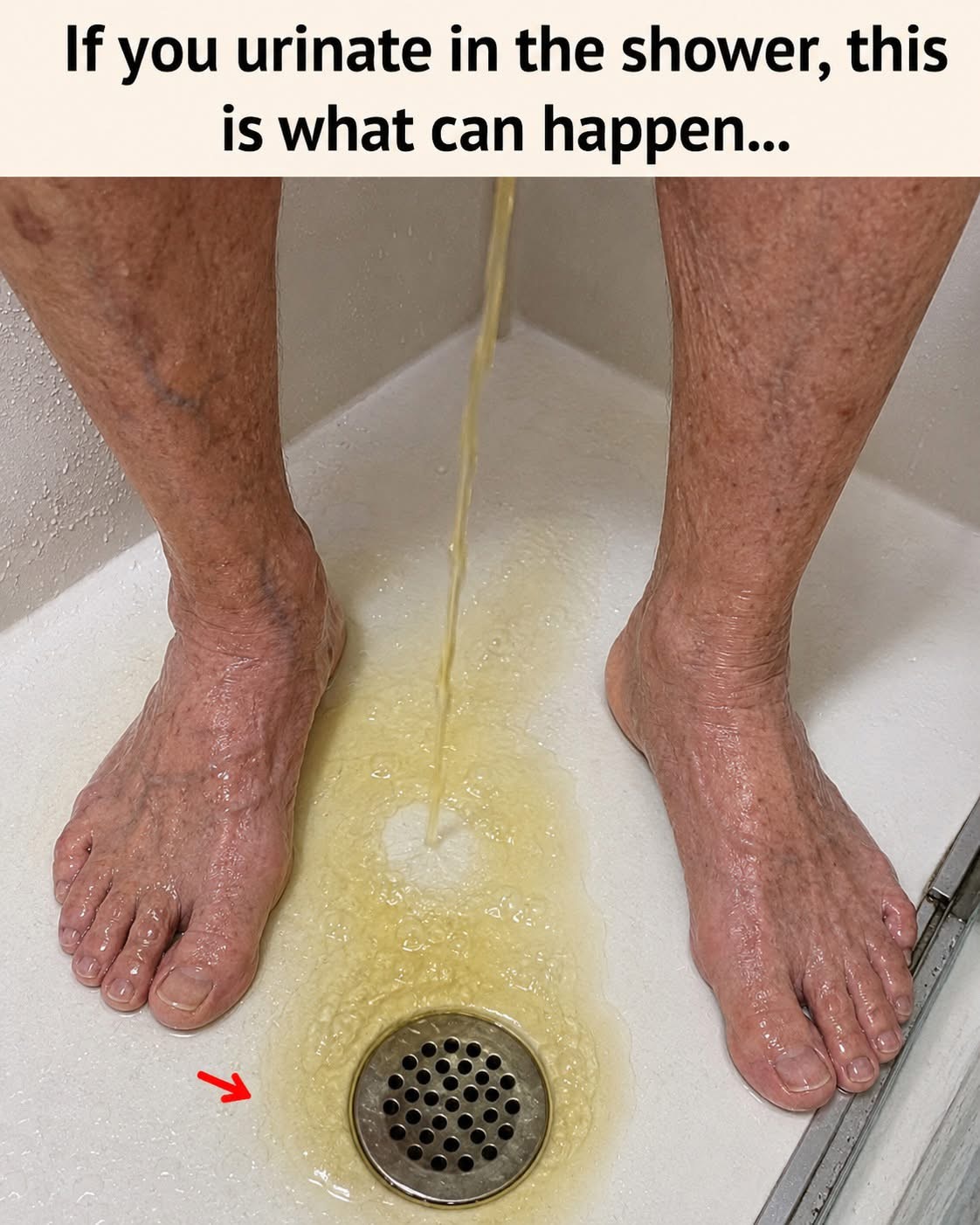
Peeing in the Shower: The Unexpected Habit That Could Be Affecting Your Comfort




Pages: 1 2
