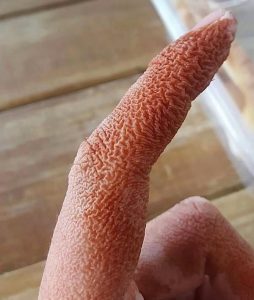
1. Use Lukewarm Water: Avoid very hot water. Lukewarm water helps preserve the skin's natural oils and reduces the likelihood of dryness.
2. Use Gentle Cleansers: Replace harsh, traditional soaps with "creamy" cleansers or moisturizing soaps that are free from fragrances and strong chemicals that may irritate the skin.
3. Moisturize Immediately: The golden rule is to apply a rich moisturizer (such as creams containing ceramides or petroleum jelly) while the skin is still damp after showering. This helps "lock in" moisture within the skin layers.
4. Daily Full-Body Showers May Not Be Necessary: Unless there is a physical need—such as heavy sweating or physical activity—you can opt for "spot cleaning" the areas most prone to bacteria, and save full showers for two or three times a week. This gives the skin a chance to restore its natural balance.
When should you see a doctor?
If you notice persistent itching that is not relieved by moisturizing, the appearance of red patches, or sores that do not heal quickly, it is important not to ignore these signs. For older adults, these symptoms may indicate dermatitis or an infection that requires professional medical intervention, as skin health is the first line of defense for the immune system.
Conclusion:
Skin care after the age of 65 is not about the frequency of showering as much as it is about the quality of care. Listening to your skin's needs and adjusting your daily routine accordingly is key to maintaining healthy, resilient skin that is protected from infection.