Those small grooves on the edges of coins have long been a mystery to many, but their history reveals a brilliant security innovation dating back centuries.
The Hidden History Behind "Coin Ridges"
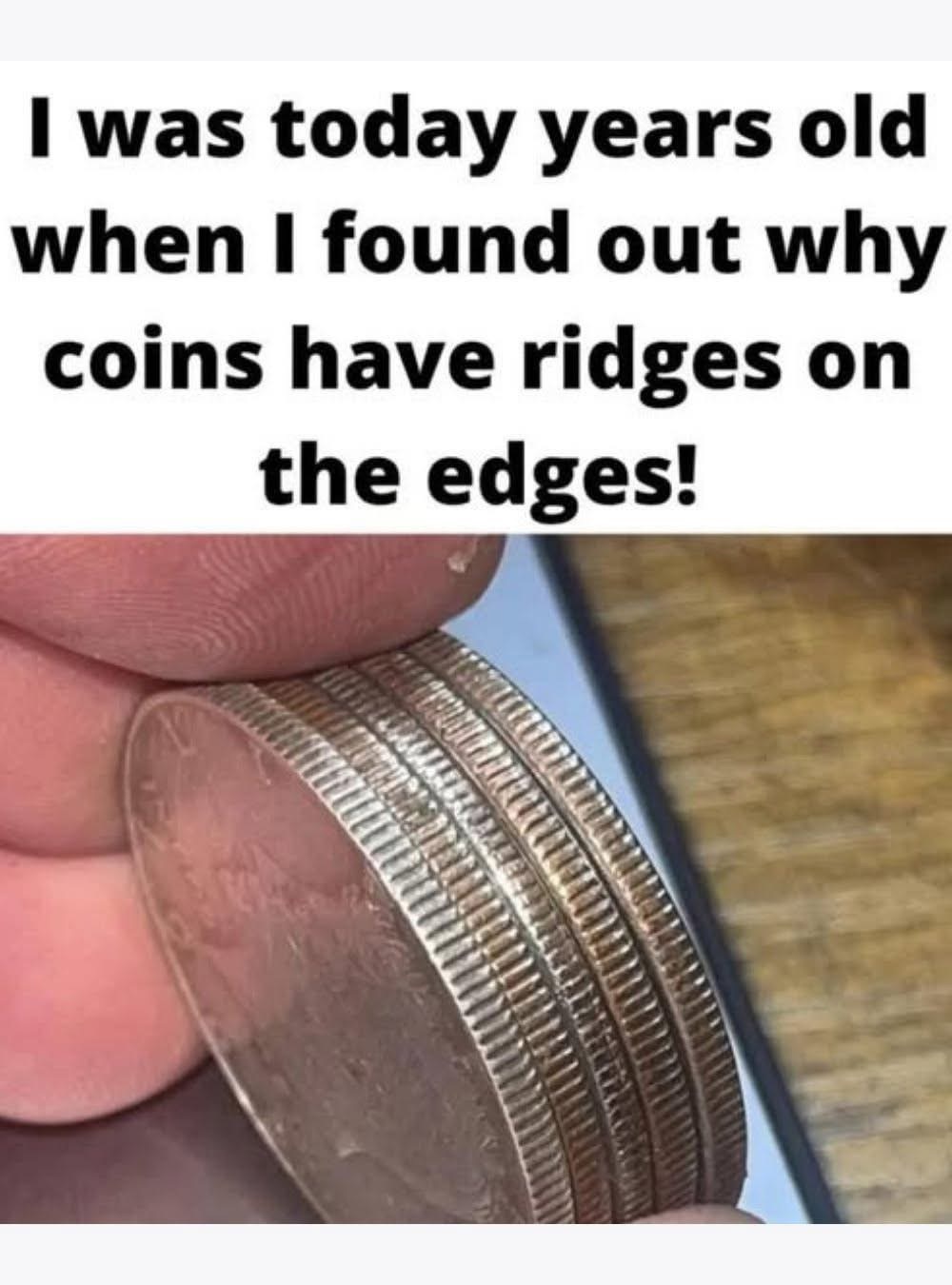
In ancient times, coins were made from precious metals like gold and silver, and their value was derived from their actual weight in those metals. Some fraudsters exploited this through a practice known as "coin clipping." They would file or scrape tiny amounts of metal from the smooth edges of the coins, collect the metal shavings to melt down and sell as bullion, and then continue spending the clipped coin at its full face value as if nothing had happened.
The Solution: "Reeded Edges"
To put an end to this, the Royal Mint in England (under the supervision of Sir Isaac Newton during his time as Warden of the Mint in the late 17th century) devised a simple and effective technical solution: adding grooves or raised patterns to the edges of the coins.
- Once these grooves were present, any tampering with the edges became immediately visible. If someone tried to file the edge, the grooves would disappear or become distorted, revealing to merchants that the coin had been tampered with, causing them to refuse it.
Why Do They Still Exist Today?
Although modern coins are no longer made of precious metals that make "clipping" profitable, these grooves have persisted for several practical reasons:
Next page