

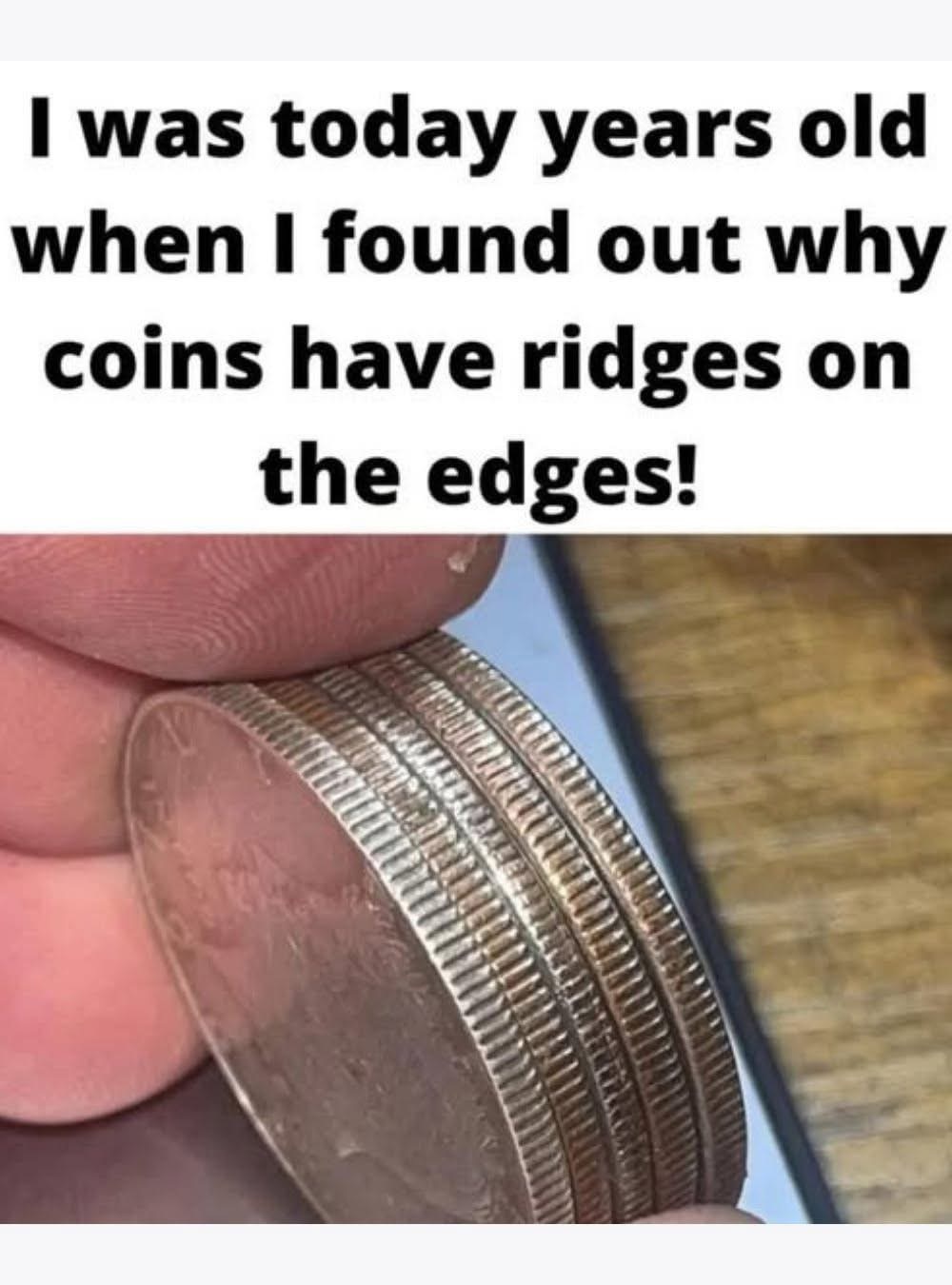
- Tactile Identification: These grooves help people with visual impairments distinguish the value of a coin by touch. For example, in U.S. currency, you can easily tell the difference between a quarter (which has grooves) and a nickel (which has a smooth edge) just by feeling them.
- Security and Automated Sorting: Coin-counting machines and vending machines use these grooves to identify the coin and verify its authenticity via sensors that measure the diameter and the number of grooves at high speed.
- Tradition: These grooves have become part of the visual identity of coinage, passed down through generations as a standard for quality and authenticity.
Have you ever noticed that higher-value coins (like quarters) have grooves, while lower-value coins (like pennies) often have smooth edges? This is because low-value coins were never worth the risk for "coin clippers," so there was never a technical or economic need to add the costly grooves to their production process.
Recent Articles



Pages: 1 2
